If you own a modern driver, fairway wood or hybrid, there's a small metal sleeve doing more work than almost any other part of the club. The shaft adapter is what lets you change shafts, adjust loft and lie, and experiment with settings — without buying a new club head every time your swing changes. The problem is that adapters are not universal. Every brand runs its own system, every generation is a little different, and buying the wrong one wastes money and time. This guide walks through what an adapter actually does, how the major brands' systems differ, and how to make sure the adapter you order is the one your club head needs.

The weight difference is the whole ballgame
Steel iron shafts typically run from about 85 grams in modern lightweight models to 130 grams in traditional tour models. Graphite iron shafts run from about 50 to 95 grams. That gap flows into total club weight, and total weight is the single biggest lever in an iron build: lighter total weight helps a golfer generate clubhead speed with less effort and slows fatigue over a round; heavier total weight gives a strong, fast swinger something to time and can smooth out a quick transition.
Neither is "better." They are answers to different swings — which is why this decision should be made with a launch monitor and a fitter, not a stereotype.
"Graphite is inconsistent" — not anymore
The old knock on graphite was dispersion: early graphite shafts had looser tolerances and higher torque, and they could spray. Modern premium graphite — Fujikura's Axiom line with VeloCore technology borrowed from its driver shafts, composite designs like SteelFiber that wrap steel fibre around a graphite core, and the better graphite lines from the major shaft makers — is built to tolerances that compete with steel, and in our workshop we frequency-test iron shafts either way, so what goes into your clubs is measured, not assumed.
Steel's consistency argument is still real at the budget end: an inexpensive steel shaft is a very consistent product for its price, and that value story is why steel still dominates iron sets sold. What steel can't do is get to 60 grams, and it can't damp vibration the way graphite does.
Your joints have a vote
Every iron shot sends impact shock up the shaft into your hands, elbows and shoulders — mishits off firm turf send more. Graphite absorbs a meaningful share of that vibration; steel transmits it. For golfers with arthritis, tennis elbow, or wrists that ache after a range session, graphite isn't a performance luxury — it's often the difference between playing and not playing. We see this constantly in the workshop, and it's one of the most satisfying reshafts we do: same heads, new graphite shafts, and a golfer who thought his playing days were the problem discovers it was his equipment.
Steel or Graphite Iron Shafts? The Honest Comparison
Graphite iron shafts used to mean "senior flex, whippy, for slow swings only." That was true twenty years ago. Modern graphite is a different material with a different argument — and steel has arguments of its own that haven't gone away. Here's the honest comparison from a bench that builds both every week: weight, feel, consistency, joints, and cost.
Feel and feedback
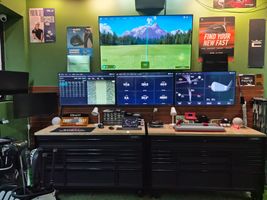
Steel gives a sharper, more direct strike sensation, and many low-handicap players prefer exactly that — they want to know where on the face the ball was struck, immediately. Graphite feels smoother and quieter. This one is genuinely personal, and it's why our Legacy Iron Shaft fitting works through both materials on the GCQuad Max with your own heads where possible: the numbers shortlist the candidates, then your hands cast the deciding vote.
The cost conversation, honestly
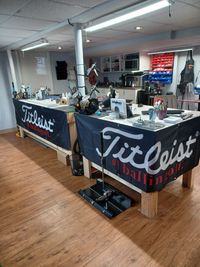
Graphite costs more — per shaft, and therefore per set. A premium graphite iron set can cost several times what a quality steel set costs in shafts alone. For some golfers the speed, consistency and joint relief are worth every cent. For others — young, strong, pain-free, on a budget — steel delivers 95% of the result at a fraction of the price, and a good fitter should say so. At Golf Logics we'll build either, and the fitting exists precisely so you don't pay graphite money to solve a problem you don't have, or live with steel pain that graphite would have ended.
Thinking about your iron shafts? A Legacy Iron Shaft Fitting is $165 for 60 minutes at the Premium Fitting Studio — 233 Armstrong Street, Ottawa, by appointment only. Book a fitting online or call 613-514-0288. Builds and reshafts are done at the Repair Centre, 1292 Wellington Street West — walk-ins welcome, 613-514-0113.